
Commercial Convection Toaster Oven for Cafés: Capacity, Menu Fit and Buying Guide
Updated: Nov 2, 2024
When it comes to outfitting your kitchen, the right appliances can make all the difference. Enter the convection toaster oven—a versatile tool that combines the speed of a toaster with the power of a convection oven. If you’re in the food industry, especially in pizza chains, restaurants, cafes, or bakeries, understanding the benefits and features of convection toaster ovens is crucial for your culinary success.
commercial convection toaster oven for cafés: what this guide helps you decide
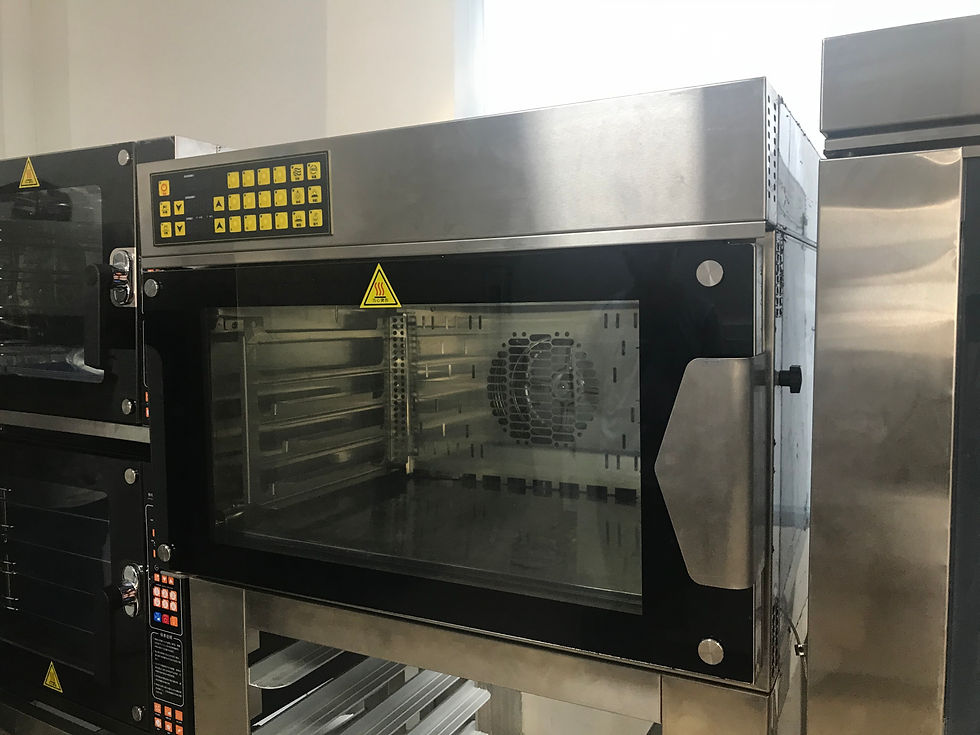
Why Choose a Convection Toaster Oven?
What Makes Them Special? A convection toaster oven uses a fan to circulate hot air around your food, resulting in quicker, more even cooking compared to traditional ovens. Whether you're baking cookies, toasting bread, or roasting vegetables, this appliance can handle it all with ease.
Benefits of Using a Convection Toaster Oven:
Speed: Cook meals up to 25% faster, perfect for busy kitchens.
Even Cooking: The fan ensures no hot spots, making your baked goods rise beautifully and your roasts golden and juicy.
Energy Efficiency: Less time cooking means lower energy costs, helping your bottom line.
Versatility: Toast, bake, broil, or even air fry—all in one compact unit.
Compact Design: Ideal for kitchens with limited counter space without sacrificing functionality.
Choosing the Right Convection Toaster Oven for Your Needs
When selecting a convection toaster oven, consider the following features:
Size and Capacity:
Consider Your Space: Measure your countertop to ensure a good fit. Compact models are great for small kitchens, while larger ovens can accommodate more dishes at once.
Cooking Needs: If you often prepare large items, opt for a model with ample interior space.
Temperature Range and Controls:
Precision Matters: Look for models with a wide temperature range for versatility in cooking. Many ovens offer settings between 200°F and 500°F.
Ease of Use: Digital controls can simplify your cooking experience, often featuring presets for common tasks.
Cooking Functions:
Variety is Key: A good oven should offer multiple settings—bake, broil, toast, roast, and even specialty functions like air frying or dehydrating. This versatility allows for creative meal preparation.
Build Quality:
Durability Counts: Stainless steel exteriors not only look great but are also easy to clean and resistant to rust.
Interior Materials: Look for non-stick or easy-to-clean interiors that save you time after cooking.
Accessories:
Enhance Your Cooking: Many models come with handy extras like baking trays, crumb trays, and racks. These accessories can improve functionality and help you achieve better cooking results.
Performance Insights
What do users say about their convection toaster ovens? Here are some insights based on customer feedback:
Reliability: High-performance models are often praised for their quick, even cooking, making them a favorite among busy chefs.
User-Friendly: Look for intuitive controls that make meal prep simple, including easy-to-read displays and programmable settings.
Maintenance: Ovens with removable trays and non-stick interiors are easier to clean, which is essential in a fast-paced kitchen.
Noise Levels: Some units can be noisy due to the fan; read reviews to find quieter options that won't disrupt your kitchen environment.
Making the Most of Your Convection Toaster Oven
Now that you’re equipped with knowledge about convection toaster ovens, here are some pro tips for maximizing their use:
Preheat Wisely: While convection ovens preheat quickly, it’s still a good habit to preheat for the best results. This helps your dishes cook evenly from the start.
Don’t Overcrowd: Give your food room to breathe! Overcrowding can hinder airflow and affect cooking times. For best results, cook in smaller batches.
Experiment with Recipes: Don’t be afraid to try new things. These ovens can handle everything from baked goods to savory dishes, allowing you to expand your menu offerings.
Use Cooking Thermometers: To ensure food safety and optimal cooking, consider using a food thermometer. This helps avoid undercooked or overcooked meals.
Rotate Trays: If cooking multiple items, rotating trays halfway through can promote even cooking and browning.
Frequently Asked Questions
Can I use aluminum foil in my convection toaster oven? Yes, aluminum foil can be used, but avoid covering the fan or blocking air circulation. Always check the manufacturer’s guidelines.
How do I clean my convection toaster oven? Most ovens have removable trays and non-stick interiors. Allow it to cool, then wipe with a damp cloth and mild soap. Avoid abrasive cleaners that could scratch the surface.
Are convection toaster ovens energy-efficient? Yes, they typically use less energy than traditional ovens because they cook faster and require less preheating time.
Conclusion: Elevate Your Culinary Game
In conclusion, a convection toaster oven is a valuable addition to any commercial kitchen, especially for those in the food service industry. By understanding the features and benefits of these versatile appliances, you can make an informed choice that enhances your cooking efficiency.
Ready to Upgrade Your Bakery Equipment?
At Yuemen Baking Equipment, we specialize in providing high-quality, efficient solutions for your kitchen needs. Whether you’re looking for a convection toaster oven or other commercial baking equipment, we have the perfect fit for you.
Want to learn more? Contact us today to request product brochures or quotations tailored to your bakery needs. Let’s work together to make your kitchen the best it can be!
match the oven to the menu
A café should start with the products served during its busiest fifteen to thirty minutes. List each item, its chilled or frozen starting condition, target finish, cook time and the number ordered together. Toast, croissants, open sandwiches, cookies and reheated pastries do not place the same demand on airflow or recovery. The useful question is not how many trays the cabinet can hold while empty; it is how many saleable portions the oven can complete without delaying drinks and counter service.
Run a product test with the intended tray, liner and loading pattern. Check top-to-bottom color, edge drying, cheese movement, fan disturbance and the time needed for the chamber to recover after the door opens. If the menu changes throughout the day, test the changeover between products and confirm whether saved programs reduce operator errors.
check tray size, power and ventilation
Compact dimensions can hide practical constraints. Confirm external size, door swing, handle projection, service clearance and the actual pan format. A nominal rack count is not usable capacity if products need wider vertical spacing. Check whether the café’s trays, dishes and cleaning tools fit, and confirm that staff can load the oven without crossing the beverage or order-pickup path.
Ask a qualified local professional to verify voltage, phase, circuit capacity, plug or hard-wire requirement, clearances and ventilation rules. Countertop equipment may still release heat, vapor, grease or odor that affects comfort and code compliance. Include the heat load in the counter layout so refrigeration, coffee equipment and customer-facing work do not suffer.
decide when to move up to full size
A compact oven fits a café when the menu is focused, batch sizes are small and frequent, and the staff can recover between order waves. Move to a larger convection or combi solution when peak demand repeatedly fills every rack, door openings destroy recovery, products require incompatible settings, or the compact unit must run continuously without a cleaning window. Two small ovens can add menu flexibility, but they also duplicate circuits, cleaning and maintenance.
Compare options with a simple service-capacity test: portions per batch multiplied by completed batches during the peak period, adjusted for recovery and changeover. Then compare that number with actual peak orders plus a sensible buffer. Record cleaning time, crumb access, removable parts, fan-area access and service-panel clearance before buying; café equipment that is awkward to clean is often cleaned too late.
• Peak portions per fifteen minutes
• Usable tray format and rack spacing
• Recovery after repeated door openings
• Electrical, heat and ventilation constraints
• Daily cleaning and local service access
related planning guides
Continue planning with How Commercial Convection Ovens Work: Airflow, Fan Design and Oven Types, Hot Air Convection Oven: Pros, Cons, Operating Cost and Best Uses, and Convection Oven vs Microwave Oven for Restaurants: Uses, Speed and Cost.


