Automatic Dough Divider Rounder: Operation, Accuracy and Maintenance Guide
An automatic dough divider rounder can reduce repetitive portioning and rounding work, but consistent output depends on machine-product fit, controlled dough condition, verified settings, trained operators, and disciplined cleaning and maintenance.
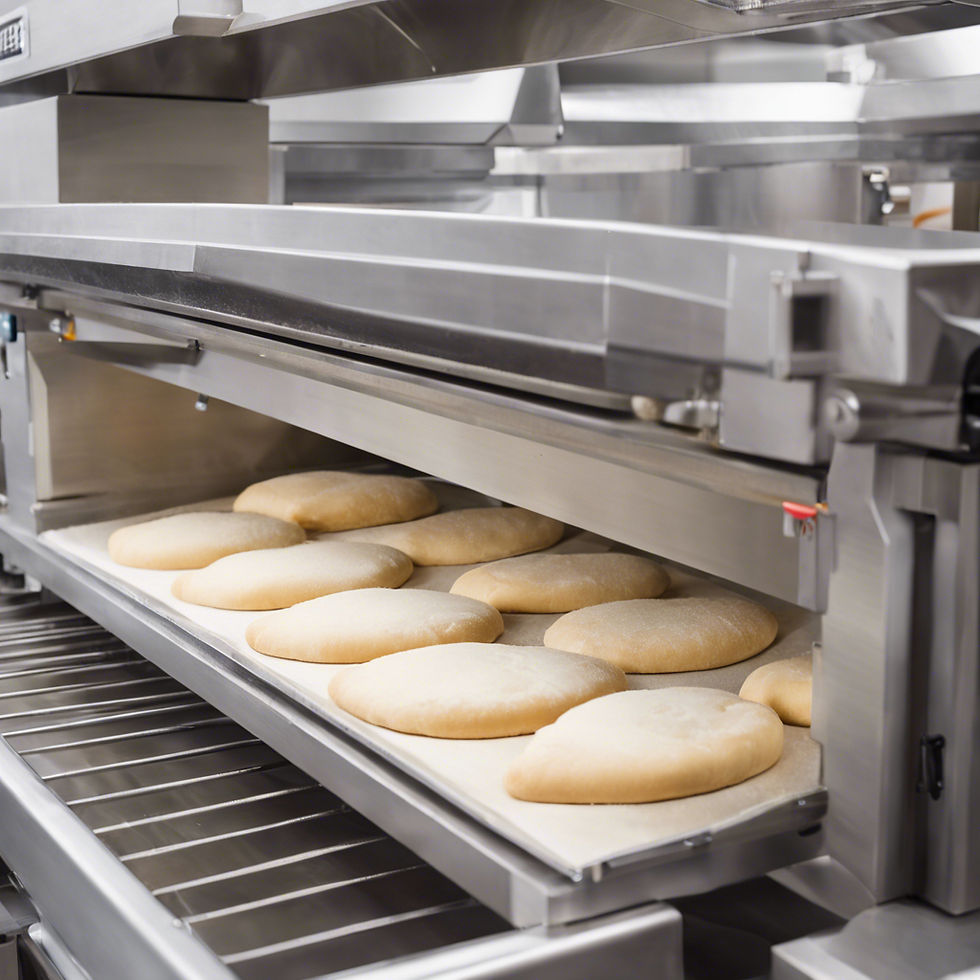
Automatic Dough Divider Rounder: Function, Product Fit, and Portion Range

A dough divider portions a prepared dough mass; a divider rounder then rounds each portion. Confirm the quoted machine’s portion range, dough compatibility, pieces per cycle, rated throughput, and rounding mechanism with a production test using your own formula.
Installation, Utilities, Guards, and Setup
Manual vs automatic dough dividers
Operator Setup Checklist
Installation location: Use a stable, level foundation with the manufacturer’s required service clearances, safe material flow, adequate lighting, and unobstructed access to the emergency stop and disconnect.
Electrical connection: Have a qualified person verify nameplate voltage, phase, frequency, grounding, protective devices, and the local disconnect before commissioning.
Calibration: Follow the machine manual and record a controlled trial for each product. Verify portion weight and rounding quality before releasing a batch.
Dough-Dependent Calibration
Commercial dough roller
Soft or sticky dough: Do not assume a faster setting will solve sticking. Test dough temperature, hydration, rest, feed method, approved release agent, speed, and pressure within the manufacturer’s limits.
Medium dough: Establish a documented baseline with a representative batch, then change one setting at a time while weighing samples and inspecting surface condition.
Firm dough: Confirm that the formula falls within the approved operating range. Excessive resistance, tearing, or abnormal noise is a stop-and-review signal, not a reason to force the machine.
Safe Startup, Loading, Operation, and Shutdown
The efficient and correct operation of your dough divider rounder is essential for maintaining consistent output and maximizing productivity. Follow these detailed steps to achieve optimal results every time.
Controlled Operating Sequence
Dough Preparation: Begin with dough that is properly mixed, kneaded, and rested, ensuring the ideal elasticity and consistency for easy portioning and shaping.
Loading: Keep guards in place and use only the manufacturer-approved feed method. Never reach into the hopper or use hands or improvised tools near moving components.
Adjust Machine Settings: Clearly define and input your desired dough portion sizes and machine speed based on dough specifications, adjusting settings to match the dough characteristics precisely.
Startup: Stand in the designated operator position, start the unit according to the manual, inspect initial samples, and stop safely before making any physical adjustment.
Settings and Sample Validation
Achieving consistently excellent results with your dough divider machine requires careful attention to key settings:
Weight control: Define a sample plan, weigh pieces with a suitable scale, compare results with the product tolerance, and adjust only through approved controls.
Speed: Balance throughput with portion accuracy, rounding quality, dough handling, and downstream capacity. Stay within the manufacturer’s limits and document the validated setting.
Pressure: Adjust only through the approved control and test one change at a time. Stop if dough tears, smears, overheats, or produces irregular pieces.
Feed consistency: Maintain the operating range specified in the manual. Overfilling, bridging, or irregular feed must be corrected without bypassing guards.
Weight Accuracy, Rounding Quality, and Troubleshooting
Consistency in dough portions directly affects your bakery’s product quality and customer satisfaction. Adopt these strategies to consistently achieve excellent results.
Ongoing Dough Monitoring: Regularly assess dough hydration, texture, and elasticity, making necessary adjustments to your dough divider settings.
Frequent Quality Checks: Periodically weigh and visually inspect dough portions to ensure they meet your bakery’s standards, quickly correcting any discrepancies.
Common Issues and Effective Solutions:
Uneven portions: Stop the unit safely, review dough condition and feed consistency, check approved calibration steps, and escalate blockages or mechanical faults to trained personnel.
Sticky dough: Review dough temperature, hydration, rest, and approved release method before changing settings. Do not add flour automatically when it would alter the formula or product specification.
Guards, Interlocks, Training, and Lockout
Ensuring the safety of your bakery staff while using dough divider machines is paramount. Adhere strictly to these essential safety practices.
Operator attire: Secure hair and loose clothing, remove jewelry, and wear slip-resistant footwear. Avoid loose gloves or anything that can catch in moving parts; follow the site risk assessment and machine manual.
Training: Authorize operators only after they understand controls, guards, interlocks, emergency stops, safe loading, shutdown, cleaning, and the site’s energy-isolation procedure.
Machine safety: Never bypass a guard or interlock and never reach into moving equipment. For a jam, cleaning task, or internal adjustment, stop and isolate all energy using the site’s lockout/tagout procedure.
Cleaning, Lubrication, Wear Parts, and Maintenance
Regular maintenance is key to the long-term reliability and efficiency of your dough divider rounder. Follow these practices for optimal machine longevity.
Cleaning: Stop the machine, isolate energy, verify a zero-energy state, and follow the manufacturer’s cleaning procedure. Do not hose electrical or mechanical areas unless the equipment is explicitly rated for it.
Lubrication: Use only the specified food-compatible lubricant, location, quantity, and interval after safe energy isolation. Keep lubricant away from product-contact surfaces unless approved.
Maintenance: Inspect guards, interlocks, emergency stops, belts, seals, blades or dividing components, fasteners, and wear parts on a documented schedule. Qualified service personnel should handle internal repairs.
Capacity Test, Supplier Evidence, and Buying Checklist
An automatic dough divider rounder can improve line consistency when its capacity, dough range, safety systems, and downstream flow are verified. Compare purchase price with cleaning time, wear parts, service response, training, and expected downtime.
Volumetric dough divider


